


Designing The Perfect Food Experience
5 December 2023
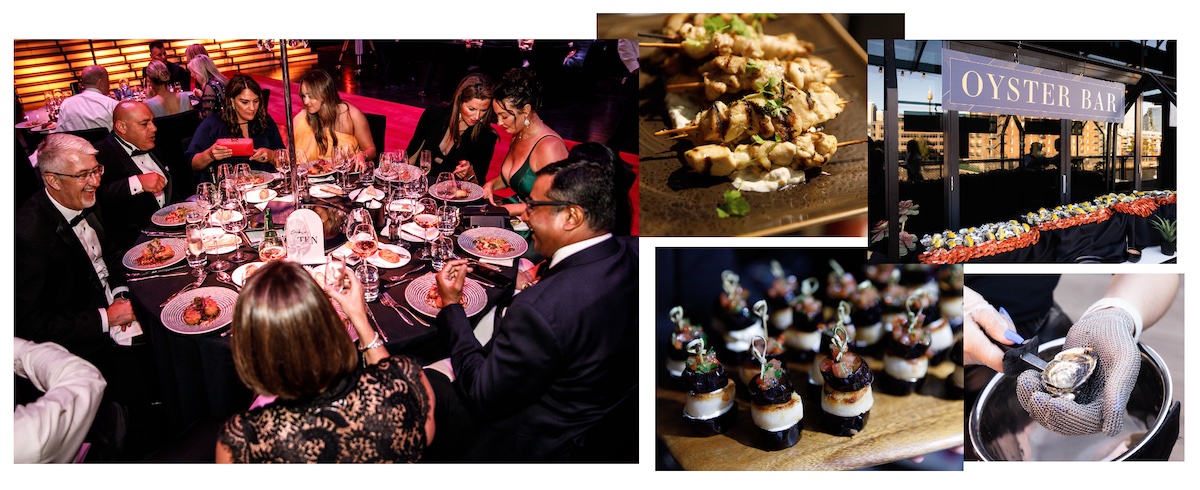
Here’s how to deliver on high expectations while keeping to strict budgets and ensuring the overall experience is a huge success.
Make no mistake: the menu you create for your next event can, quite simply, determine its overall success. And that’s because guests are just as likely to remember a bad meal as they are a good speaker. From overcomplicated entrees to under-seasoned mains, plus more dietary requirements than you can poke an EpiPen at, creating a seamless food and beverage (F+B) experience can be a minefield if you don’t know what you’re doing.
So, whether you’re organising a gala dinner for 700, or seated lunch event for 60, your goal when designing an F+B menu is simple. Ensure the service experience is seamless for your guests; that there are enough options to accommodate the majority of dietary requirements; and make life a little easier for yourself and your culinary team by being prepared.
The budget you’ll be working with, understandably, will also really shape the menu. It’s about trying to marry what the guests expect, along with what falls within the client’s budget. It’s a fine balancing act of delivering on high expectations, while sticking to strict margins.
Here are a few tricks of the trade to consider when designing your food menu:
- UNDERSTAND YOUR AUDIENCE. Is your gala dinner for a room full of men from the building industry? Or a mix of male and female fitness industry professionals? We can guarantee you your menu offering will be completely different for these two events.
- KNOW THEIR DIETARIES. Get your guests’ dietaries confirmed prior to the event – send this request out with your event invitation and ensure there’s a clear RSVP process where guests can advise on any dietaries. We advise using the term ‘medical dietaries’ on all your invites. If you don’t, some guests are likely to responds with their dislikes, rather than necessary dietaries – as in; ‘I don’t like green capsicum’, ‘I’m not a fan of black pepper’ and, one of our favourites, ‘I only eat crushed pineapple, not sliced’. We’re not even joking. Provide a variety of meal options allowing guests to select the one they desire. Remember, you’re not interested in dislikes; it’s the life-threatening allergies you need to know about.
- WORK SMARTER, NOT HARDER. Once you’ve designed your menu with your audience in mind, and then considered your most popular dietary requirements, try to build these into your menu. These will differ depending on your audience, but for an event with a mixed male-and-female audience, you’ll have vegetarians, vegans, pescatarians and those who are gluten-free. If you design your menu with the majority of these popular dietaries accounted for, then you cover the majority of your audience with your standard dinner menu. For example, try to offer a gluten-free option, as this is the most common dietary request. If you create your menu for all guests in mind, it makes it a safe option. Any medical or cultural dietaries which fall outside of this can be managed individually.
- KEEP IT SIMPLE, BUT CROWD-PLEASING. What do all the best restaurants in the world know? That less is more. When it comes to designing the perfect menu, take a leaf out of Michelin-starred establishments – their menus usually consist of three or four key, in-season, ingredients. The trick is to make the dishes simple, but full of flavour and never boring. Keep to the classics, with a few simple twists, and everyone wins.
- CONSIDER THE TIMINGS. Finally, ensure you spread out your food service throughout the event. Allow guests adequate time to eat and, most importantly, allow adequate time for your culinary team to serve all guests in the room and clear all plates in the room.
Most common dietaries defined:
- Vegetarian (V)
A vegetarian does not eat any animal flesh such as meat, poultry, or fish.
- Pescatarian (P)
A pescatarian diet refers to a vegetarian diet with the addition of seafood.
- Vegan (VE)
Vegans don’t eat, wear or use anything from animals — whether from land animals (meat, dairy, eggs, honey, leather, fur etc) or from water animals (fish, prawns, crab, lobster etc).
- Gluten-Free (GF)
A gluten-free diet excludes any foods that contain gluten, which is a protein found in wheat and several other grains. It means eating only whole foods that don’t contain gluten, such as fruits, vegetables, meat and eggs, as well as processed gluten-free foods like gluten-free bread or pasta.
At Flying Ruby Events, we produce many large-scale gala dinners with a 50/50 split of male vs female guests. To design a menu for this audience, we consider the following:
We opt for alternate drop service, so when you add in the standard vegetarian option provided by all venues, guests ultimately get three options. We select a larger-serve option to accommodate those guests who enjoy a larger portion – usually a meat-based dish – then we provide a lighter gluten-free version – which may be in the form of a lean protein – and then a vegetarian dish is selected. Based on this menu alone, we can accommodate for vegetarians, possibly even pescatarians, and gluten-free dietaries all in our standard menu offering. We’ve covered the hearty eater who is looking for value for money, a leaner offering for the health conscious, and a vegetarian.
Once you confirm your menu, request a menu tasting so you can sample the food, and review the presentation for the finer details your guests will notice. You may want to adjust the serving size, swap out a garnish or side, change the plates or presentation style – these are all options when working with venues. How will this look on the night on the table? Will bread be served? Are sides included? What does the glassware, crockery, table cloths and chairs look like? What will the service staff be wearing? How many staff has the venue allocated for service?
When it gets closer to the event, provide a runsheet to the venue, showcasing your allocated event timings, and make sure they confirm that your allocated service and clearing times can be accommodated on the night. You may need to request more staff to speed up service times or change your runsheet to allocate more time for service.
Finally, request the name of your F+B manager on the night of the event and schedule a briefing with them on your event day (and possibly all service staff if required) to run through your runsheet, food service and anything they may need to know prior to the event going live. This will include highlighting which seats your dietary guests are in; the key times throughout the night when service needs to stop (important speeches or on-stage formalities); VIP guests and table location; entertainment green room food service times and requirements etc. Also, confirm how you will communicate with them if anything changes throughout the evening.
In the right hands, the F+B experience is much more than a combination of ingredients served on a plate, or in a glass. Ultimately, true event success comes with the meld of organisation, timing, simplicity and know-how.
Speaking of know-how, to ensure your next event is a resounding success, contact us HERE.